How Much Energy Does Your Small Business Really Use?
If your energy bill has crept up and you're not sure why, you're not alone. According to Ofgem's State of the Market report (January 2026), 19% of businesses struggled with energy costs in 2025.
This guide covers:
- How much energy businesses like yours typically use
- What's driving your bill
- How to reduce your costs
- Whether you're on the right tariff
How much energy does a small business typically use?
According to the government's Non-Domestic National Energy Efficiency Data Framework (ND-NEED), published by the Department for Energy Security and Net Zero in August 2025, the median electricity consumption across all non-domestic buildings in England and Wales is around 6,600 kWh per year.
But that figure covers everything from a market stall to a factory. For small businesses specifically, the picture varies quite a bit depending on what you do and where you do it.
As a general guide:
Offices tend to sit at the lower end. Computers, lighting and heating add up, but compared to businesses that run equipment or appliances all day, the baseline demand is relatively modest.
Retail shops typically use more than offices, driven by lighting, heating and in some cases refrigeration. A shop open seven days a week naturally uses more than one that closes on Sundays.
Hospitality businesses (cafés, restaurants, pubs) consistently show the highest energy intensity of any sector, according to ND-NEED. Catering equipment, refrigeration and the fact that most hospitality premises are relatively small means energy gets used hard in a compact space.
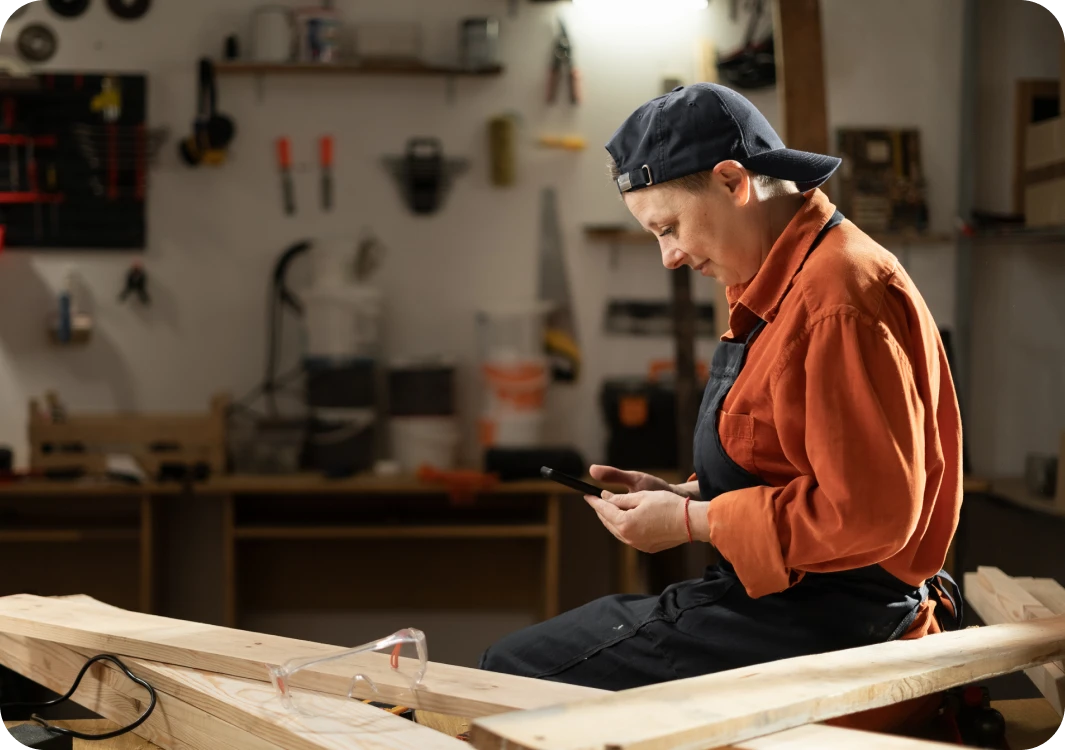
Light industrial and workshop businesses tend to have high total consumption driven by machinery, though their energy use per square metre can actually be lower than hospitality because they operate in larger spaces.
The key takeaway is that sector matters more than size. A small restaurant will almost certainly use more energy than a small accountancy firm, even if they're the same number of employees and based on the same street.
What drives small business energy costs?
Knowing how much energy you use is one thing. Understanding what's actually driving your bill is where it gets useful.
| What you do | The single biggest factor is your sector. Businesses that run catering equipment, refrigeration or machinery all day will always have higher energy demands than those that don't. If you're in hospitality or light industrial, your baseline is simply higher, and that's normal for your type of business. |
| Where you operate | Larger premises use more energy to heat, cool and light. Older buildings tend to be less efficient, which means more energy escapes through walls, windows and roofs before it does anything useful. If you're in an older building and haven't looked at insulation or draught proofing, that's often where a chunk of your bill is going. |
| When you're open | Longer hours mean higher consumption. A business open six or seven days a week will naturally use more than one operating Monday to Friday. Seasonal patterns matter too. Heating costs climb in winter, cooling costs climb in summer, and hospitality businesses in particular tend to see significant swings across the year. |
| What equipment you're running | Old or inefficient appliances can quietly add a significant amount to your bill. Refrigeration units, ovens, HVAC systems and even lighting all have a direct impact. Equipment that's running continuously, even on standby, adds up over time. |
| The tariff you're on | This is the one most businesses don't think about often enough. Two businesses using exactly the same amount of energy can end up with very different bills depending on the contract they're on. Unlike domestic customers, businesses aren't protected by Ofgem's price cap, which means the rate you're paying is entirely down to what you agreed with your supplier, and when you agreed it. |
How to calculate your small business energy costs
You don't need an accountant to work this out. Your bill is made up of two things:
Unit rate: the amount you pay per kWh of energy used. This is the number that varies most between suppliers and contracts.
Standing Charge: a fixed daily cost just for being connected to the grid. It applies whether you use any energy or not.
To estimate your annual energy cost, the calculation is straightforward:
(kWh used per year x unit rate) + (standing charge x 365)
So if your business uses 10,000 kWh of electricity per year and your unit rate is 27p per kWh, your usage cost comes to £2,700. Add your standing charge on top of that to get your total annual bill.
Not sure how much you're using? Your most recent energy bill or your online account will usually show your annual consumption in kWh. That's the number to work with.
One thing worth knowing: unlike households, businesses aren't covered by Ofgem's price cap. That means your unit rate is set entirely by your contract, and rates can vary significantly between suppliers. According to Ofgem's State of the Market report (January 2026), smaller businesses consistently pay higher unit rates than larger ones, which makes comparing your options more important, not less.
How to reduce energy costs for your small business
You don't need to overhaul your entire operation to make a dent in your energy bill. The biggest gains typically come from a combination of small behavioural changes and one or two more considered decisions.
Start with the easy wins
Turning off equipment that isn't in use, switching to LED lighting if you haven't already, and setting heating and cooling to only run when the building is occupied can all reduce waste without costing anything. These are usually the lowest-cost starting point.
Know what's actually using your energy
If you're not sure where your consumption is going, an energy audit can help. This doesn't have to be an expensive exercise. At its simplest, it means going through your premises and noting what equipment is running, for how long, and whether it needs to be. Our guide to business energy audits walks through how to approach it.
Look at your equipment
Older appliances, particularly refrigeration units, ovens and heating systems, tend to use more energy than modern equivalents. Replacing them involves upfront cost, but the long-term reduction in bills can offset that investment. If a full upgrade isn't viable right now, servicing equipment regularly helps it run more efficiently in the meantime.
Review your tariff
Behavioural changes and equipment upgrades only go so far if you're on a poor contract. The tariff you're on has a direct impact on what you pay per kWh, and business energy rates aren't regulated the way domestic ones are. If you haven't compared your options recently, or if your contract is coming to an end, it's worth checking what's available. You can also find practical day-to-day tips in our 10 ways to save energy at the office guide.
Are you on the right energy tariff?
Even if your usage stays exactly the same, your costs can change significantly depending on the contract you're on.
Business energy isn't regulated the same way as domestic energy. There's no price cap protecting you from market movements, which means the rate you pay is down to what you negotiated, and when. Two businesses using identical amounts of energy can end up with very different bills simply because one is on a better contract.
According to Ofgem's State of the Market report (January 2026), smaller businesses consistently pay higher unit rates than larger ones. That gap widened in 2025 as very small businesses saw renewed electricity price increases while larger businesses benefited from falling costs. Being on the right tariff matters more for small businesses, not less.
If your contract is coming to an end, or if you haven't reviewed your deal in the last year, it's worth comparing what's available. According to Ofgem's Non-Domestic Consumer Research (March 2025), only 34% of small businesses switched supplier in 2024, which means the majority haven't compared their options recently.
Compare business energy tariffs and see what's out there for your business.
Small Business Energy Costs FAQs
-
How much energy does a small business use?
It depends on your sector. According to the government's ND-NEED 2025 report, the median electricity consumption across non-domestic buildings in England and Wales is around 6,600 kWh per year. Hospitality businesses consistently use the most energy relative to their size, while office-based businesses tend to sit at the lower end. Your actual consumption will depend on your premises, equipment and hours of operation.
-
How do I calculate my small business energy costs?
Multiply your annual kWh consumption by your unit rate, then add your standing charge multiplied by 365. Your annual consumption figure will be on your most recent energy bill or in your online account.
-
What is the average small business energy bill in the UK?
There isn't a single reliable figure because costs vary so much by sector, premises size, location and tariff. What matters more is whether your unit rate is competitive and whether your consumption is in line with similar businesses. Comparing your tariff is the most direct way to check.
-
How can I reduce energy costs for my small business?
The main levers are behavioural changes (switching off unused equipment, managing heating settings), equipment upgrades (LED lighting, efficient appliances) and reviewing your energy tariff. Our guide to business energy audits and 10 ways to save energy at the office cover the practical steps in more detail.
-
Does my business type affect how much energy I use?
Yes, significantly. Hospitality businesses use the most energy relative to their size, according to ND-NEED 2025, driven by catering equipment and refrigeration. Office-based businesses typically use considerably less. Retail and light industrial sit in between depending on equipment and hours.
-
What is a good unit rate for small business electricity?
Rates vary by region, contract type and market conditions. Unlike domestic customers, businesses aren't covered by Ofgem's price cap, so the rate you pay depends entirely on your contract.
-
How can I compare small business energy tariffs?
You can compare tariffs through Love Energy Savings. It takes a couple of minutes and shows you what's available from our panel of suppliers.